Experience Counts!

Category: Climate Change

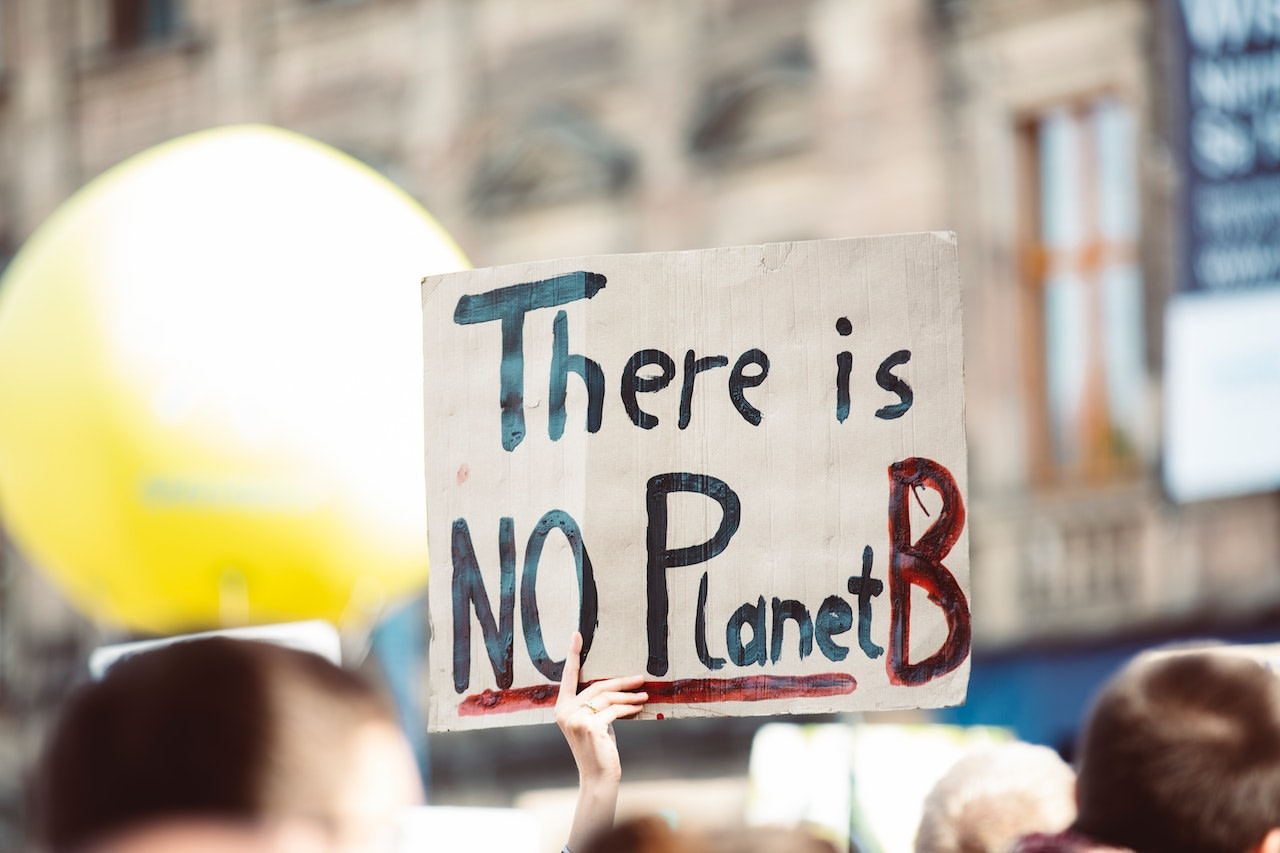
What’s the Main Challenge to Fighting Climate Change?

Many activists, scientists, and politicians have tried to answer this question. My response here is inspired by Bill Gates, co-founder of Microsoft. Gates has funded many projects in fighting climate change, and has recently published a book on the subject.

He believes that combating climate change has multiple aspects and demands global cooperation. Politicians may disagree on the specific solutions, but the goal — achieving net-zero by 2050 — must be agreed upon if it is to happen. 

People are not powerless; they have their responsibilities. Scientists also have key roles to play. Gates believes that advances in innovation and technology are required to reduce harmful emissions. 

One pivotal area that needs immediate innovation is battery technology. Without powerful batteries that can store large amounts of energy for a long period of time, it is difficult to count on reliable new energies as a standalone power source. Despite promising signs of progress in this field, there are still challenges to be resolved. 

Meanwhile, fossil fuel power plants should be replaced by nuclear ones to avoid introducing more greenhouse gas emissions. Even though nuclear power plants have environmental concerns, Gates believes that new generations are less prone to catastrophic accidents. 

In addition to these large-scale mitigation measures, we need a firm commitment from the public to reduce their consumption as much as possible. This will happen only when green premiums and options become widespread and affordable. ‘Climate prime’ is the extra cost of goods that are produced with minimal damage to the environment.

As an example, Gates explains how cement production needs this evolution. Cement production consumes a great deal of energy, and the process emits carbon dioxide. Its production introduces harmful emissions to the atmosphere through two sources. There are ‘green’ types of cement, but they cost nearly double. 

Development can’t be stopped as the population grows, and the economy largely depends on it. The only solution, then, is to make ‘green’ types of cement — and other goods — more affordable so that traditional ones can be replaced across the board.

Bill Gates is optimistic that the climate crisis can be managed, and this would be the greatest achievement of human history. 

30 years is enough time to reach this goal if we start today.

What is the Government of Canada Doing to Fight Climate Change?

Even in the middle of a pandemic, the Federal Government recognized the importance of combating climate change by allocating billions of dollars and developing practical strategies. This is the right thing to do, of course, in order to make Canada a vivid, affordable, and resilient place to live for future generations. 

Understanding the measures taken/planned by the government can help citizens to better prepare for the future. To that end, let’s take a look at A Healthy Environment and A Healthy Economy, the federal government’s plan to build a better tomorrow.

Reduce, Reuse, Recycle

One of the main focus areas is energy consumption. As we consume less energy generated by fossil fuels, the government is looking at a variety of renewable solutions to bridge that gap, while encouraging us to use less. 

This not only results in a more affordable life for us, our children, and our grandchildren,

but it also reduces air pollution. 

Air pollution, despite being a regional problem, can affect a large area, so anything we can do to reduce it is a wise investment. Using new technologies to generate clean power creates new job opportunities, too. Win-win. 

For these benefits and more, the government is investing in free energy assessments to encourage homeowners to conduct energy audits. Doing so may reveal opportunities to save energy (and money!) that they hadn’t considered before. 

The government is planning to invest $2 billion to help large-scale commercial buildings retrofit on energy. The Canada Infrastructure Bank is investing $2.5 billion in clean power and $1.5 billion in Zero-Emission Buses. 

In addition to that, the government is working with the building material sector to ensure Canadians have access to low-carbon cement and high-efficiency windows and insulation. 

In close collaboration with provincial governments, the federal government is looking for strategies to specifically focus on energy retrofit programs for low-income families.

The Transportation Sector

The transportation sector in Canada accounts for more than 20% of emissions. The government is committed to connecting communities via clean public transportation, electric vehicles (EVs), or low-emission cars.

As residents of Gravenhurst with no public transport, our options are perhaps more limited, but the government continues to incentivize low-emission cars — none more so than the Province of Quebec — EV rebates, and subsidised charging stations. 

To further combat pollution, the government will charge increasingly more for emitting harmful greenhouse gases via the carbon tax. 

The rising cost of gas — combined with EV incentives and the development of a robust network of charging stations — makes purchasing or leasing a low-emission car a reasonable decision for even a rural environment like Gravenhurst. 

But that’s not all. The Canadian government is actively working toward a country with sustainable, clean water and air for today and tomorrow by investing in a cleaner agriculture sector, a more efficient power distribution sector, and much more. 

Incentives and government measures at all levels can lead to a successful fight against climate change only when citizens engage in the programs and actively participate. 

Thankfully, both the government effort and commitment of Canadians are gaining strength and momentum since the beginning of the pandemic. And that’s an excellent place to start a new chapter.

The Town of Gravenhurst — and Muskoka as a whole — should be exploring every avenue to improve or create green infrastructure within our boundaries and beyond. 

As we continue to address the impacts of COVID-19 and ensure our strong economic recovery, we must also continue to fight climate change for the good of Canadians, our economy, and our planet. Canadians don’t have to choose between clean air and good jobs. This strengthened climate plan will help us build a healthier, fairer, and more resilient future that we can be proud to pass on to our children and grandchildren.” ~The Rt. Hon. Justin Trudeau, Prime Minister of Canada

I encourage everyone to review A Healthy Environment and a Healthy Economy in its entirety. Together, we can all make a difference. 

Image Source

© 2025 Peter M. Johnston

Theme by Anders NorenUp ↑